
Navigating Ohio Weather Conditions
Living in Cloverdale means experiencing the full spectrum of weather, from humid summers to freezing winters. This variability often leaves drivers wondering which type of rubber is best for their vehicle. While many vehicles come equipped with all-season tires from the factory, understanding the limitations and benefits of different tread compounds is essential for year-round safety.
The Case for All-Season Tires
For many drivers, all-season tires are the convenient, go-to choice. They are designed to provide acceptable performance in wet and dry conditions, as well as light snow. They are built with a tread life that generally lasts longer than specialized seasonal rubber, making them a cost-effective solution for drivers who want one set to handle it all. If you are looking for versatility, these are often the standard tires for sale at most automotive centers.
When to Consider Winter Tires
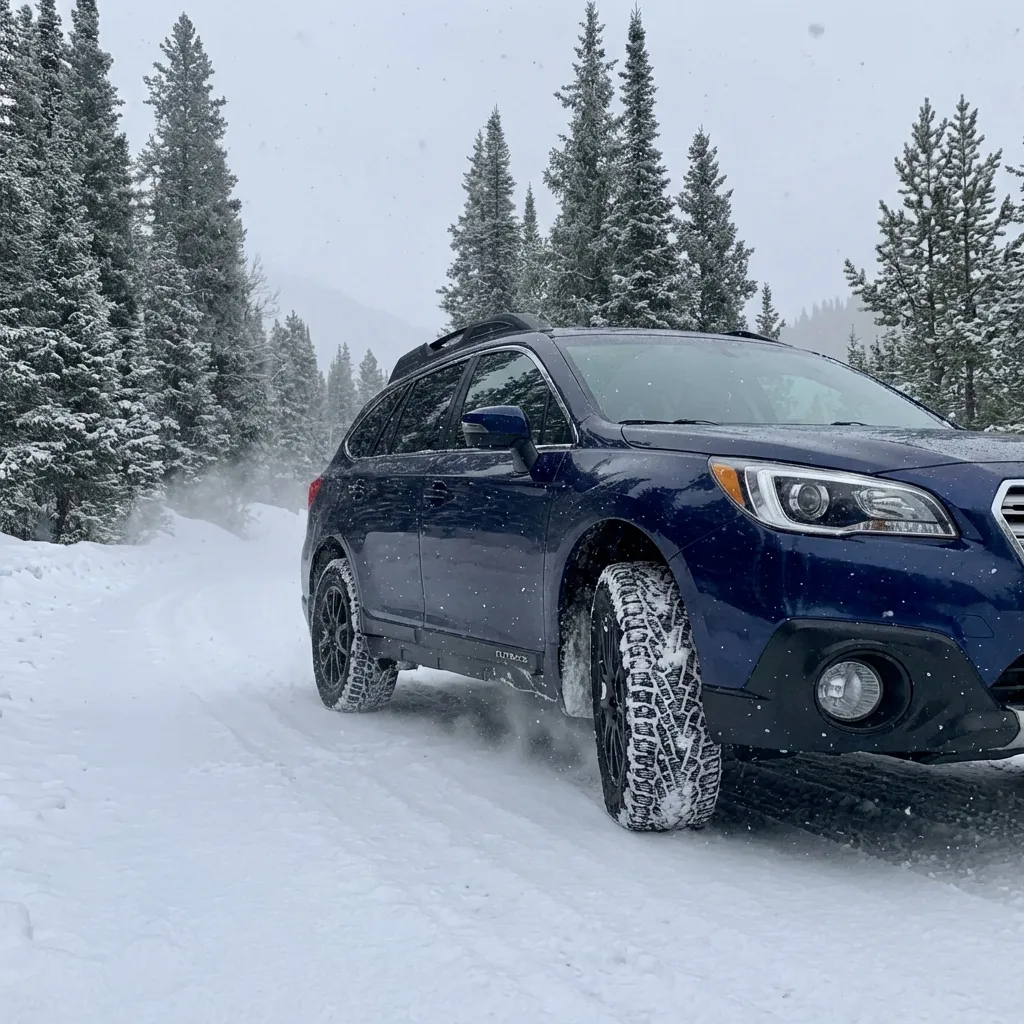
However, when the temperature drops significantly and ice covers the roads, all-season compounds can stiffen, reducing traction. This is where the best winter tires shine. They utilize specialized rubber compounds that remain flexible in freezing temperatures, along with aggressive tread patterns designed to bite into snow and slush. If you have a long commute or frequently drive on unplowed rural roads, investing in a dedicated set of winter tires can provide peace of mind and superior stopping power.
Making the Switch at Schnipke Tire
Whether you decide to stick with all-seasons or swap to winter treads, we are here to help. We can assess your driving needs and recommend the best setup for your vehicle. Contact Schnipke Tire today to discuss your options for the upcoming season.